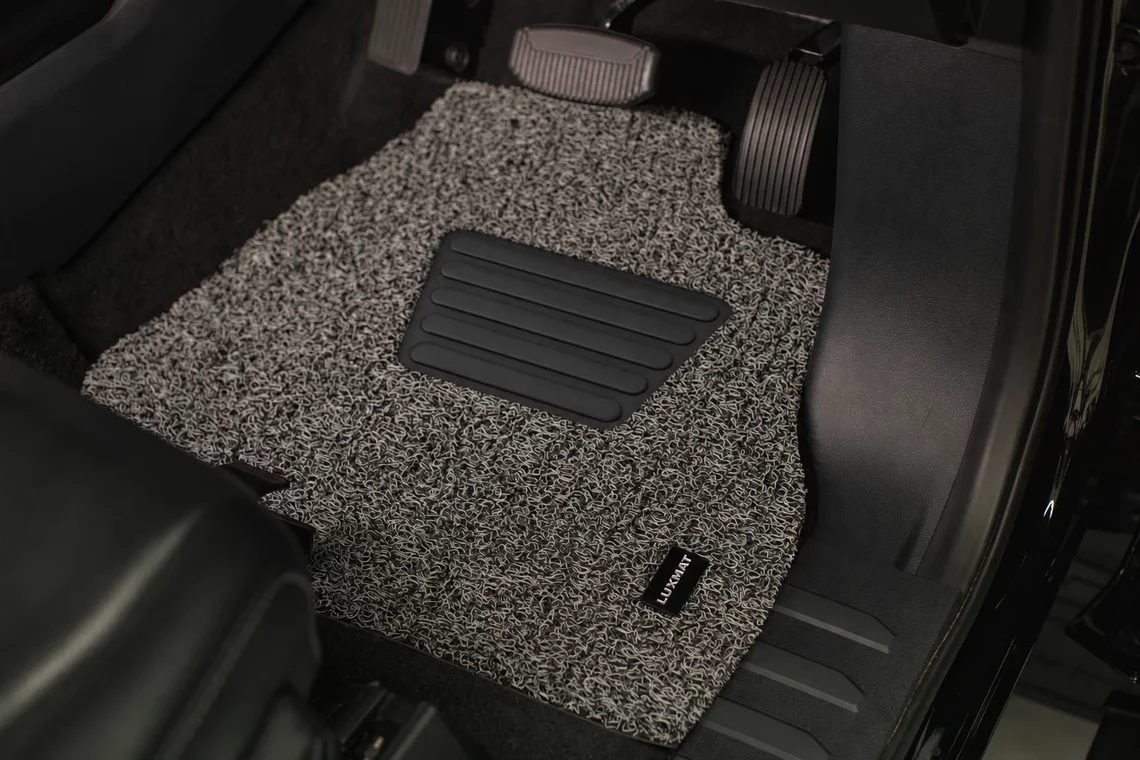
How to Clean Coil Rubber Car Mats (and Keep Them Looking New)
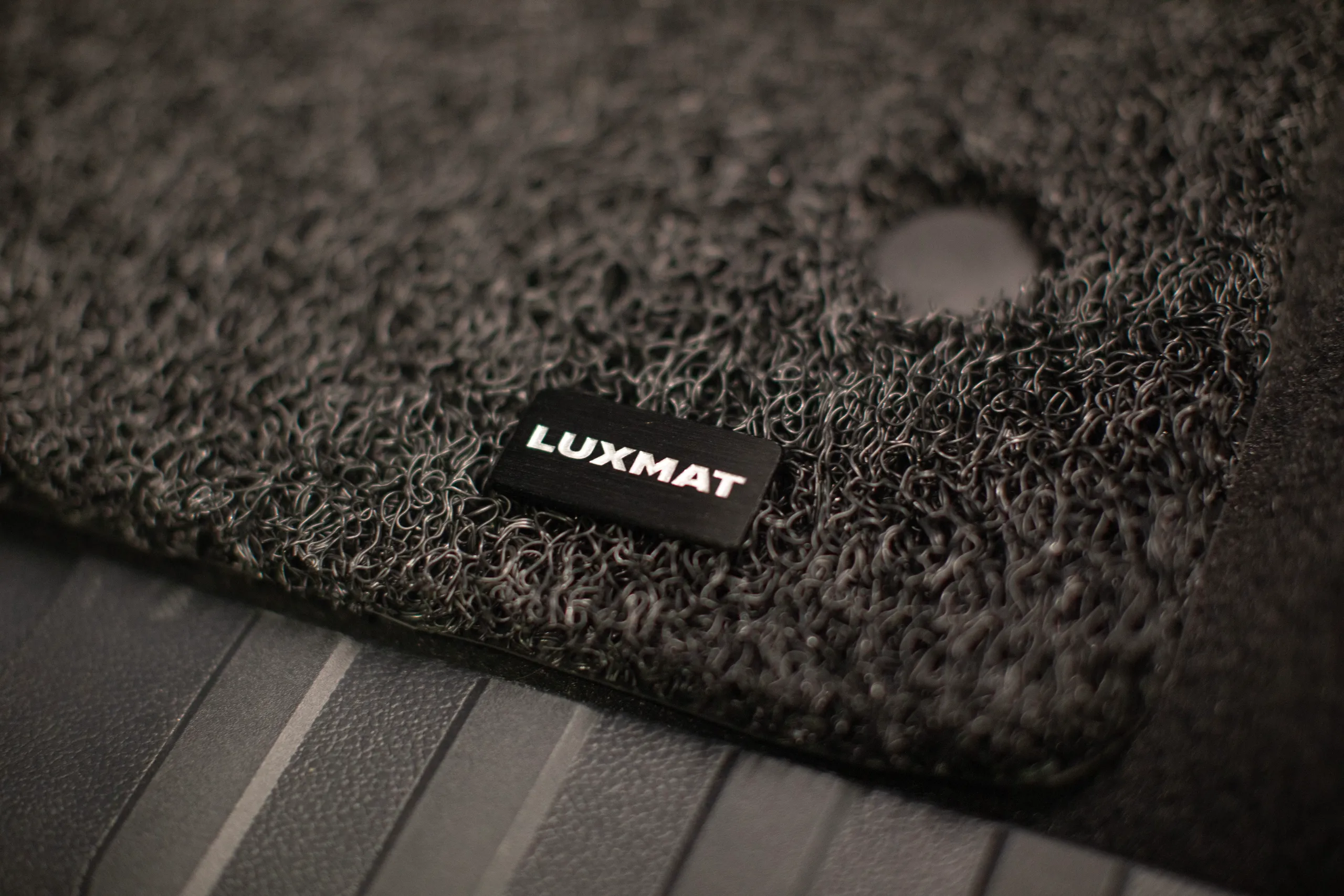
Cleaning a set of coil rubber car mats takes about a minute. Lift them out, tip off the grit, hose them down, let them dry, put them back. That is the whole job, and it is the main reason people move off carpet in the first place.
Below is the routine, plus how to handle the messier stuff: beach sand, mud after a wet weekend, spilled coffee, pet hair, and the smell that tends to come with all of it.
The 60-second cleaning routine
- Lift the mat out. Coil and rubber mats are not anchored down the way carpet is, so they come straight out of the footwell. Do all four at once and work on them together.
- Tip and shake out the loose debris. Most of the sand, grit and crumbs have already dropped below the walking surface into the coils, so a good shake and a tip upside down clears the bulk of it before any water is involved.
- Hose both sides down. A garden hose is enough. Water runs straight through the coil structure and out the other side, taking the fine stuff with it. Do the back of the mat too, since grit works its way around the edges.
- Spot-clean anything stubborn. Warm water and a little mild detergent on a soft brush will lift anything that has dried on. Work it into the coils, then rinse it out properly so no detergent is left sitting in there.
- Shake off and air dry. Give each mat a firm shake to throw off the surface water, then stand it up against a wall or lay it flat somewhere with airflow, out of harsh direct sun. Drying is the step people rush, and it is the one that matters most.
- Refit. Drop them back into the footwell, square them up, and you are done.
No special products, no soaking, no trip to the car wash.
Why coil rubber is so easy to clean
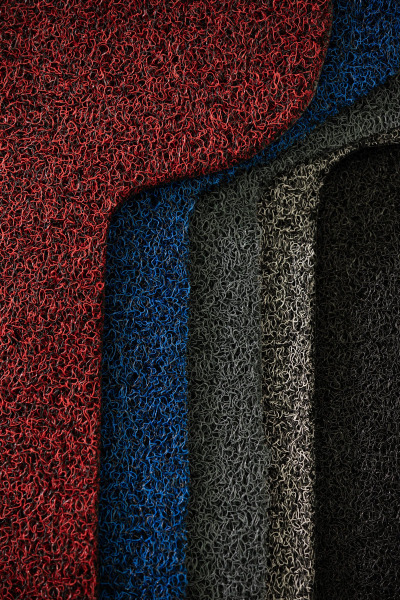
A coil rubber mat is a dense surface of upright rubber loops sitting on a sealed backing. The loops hold your feet up at the top, and everything you bring into the car falls through them.
That is the whole trick. Sand, grit and water end up below the walking surface, where your shoes cannot grind them back around, and where a hose can flush them straight out. The top of the mat stays looking clean because the dirt was never really on the top.
Carpet mats do the opposite. They absorb water and hold dirt in the pile, which is why they need vacuuming, shampooing and a long dry, and why they never quite come back to new. Flat PVC mats do not absorb, but they have nowhere to put anything either, so mess sits on the surface and moves around underfoot until you wipe it off.
Worth reading if you want the detail: what coil rubber car mats are and coil rubber vs flat rubber vs carpet.
Cleaning by type of mess
Beach sand and gravel
The easiest one. Sand falls through the coils on its own during the drive, so lift the mat out, tip it upside down, and shake. Follow with a hose if there is a lot of it. There is no need to vacuum.
Mud after a wet weekend
Let it dry first if you can. Dried mud shakes out in flakes, wet mud smears. Once it is dry, shake the mat out and hose both sides. Anything that has set hard in the coils comes away with warm water, mild detergent and a soft brush.
Coffee and food spills
Rinse it while it is fresh if possible. Because the mat does not absorb, a spill sits in the coils rather than soaking in, and a hose plus a little detergent clears it. Dry it properly afterwards so nothing sweet is left behind.
Pet hair
Hair tends to sit near the top of the coils rather than working its way in. Shake the mat out, then hose it down and let the water carry the rest away. A soft brush helps with a heavy coat.
Everyday grime
Dust, road film and general foot traffic. A weekly shake keeps on top of it, and a hose-down once a month brings the mats back to looking new.
How to get rid of the smell
Odour in a car footwell is almost always a moisture problem, not a dirt problem. Something got wet, it never dried, and it sat there.
The fix is the same routine, done thoroughly:
- Rinse the mat properly, both sides, to clear anything organic out of the coils.
- Use a little mild detergent if the smell is strong, then rinse it all out.
- Dry the mat completely before it goes back in the car. This is the step that actually solves it.
- Check the carpet underneath while the mats are out. If that is damp, dry it before refitting, or the smell comes straight back.
Coil rubber has an advantage here. It does not absorb water, so it does not hold odour the way a carpet mat does. Once the water is gone, the smell goes with it.
What not to do
- No harsh solvents or petroleum-based cleaners. They are unnecessary and they are hard on rubber. Warm water and mild detergent handles everything.
- Do not refit while wet. Trapped moisture between the mat and the carpet underneath is what causes smell and damp.
- Keep a pressure washer at a sensible distance. A hose is genuinely enough. If you are using a pressure washer, stand back and use a wide fan rather than blasting one spot.
- Avoid long stretches in extreme direct heat. Dry them in the shade or in open air rather than baking them on hot concrete all afternoon.
How often should you clean them
For most drivers:
- Weekly: lift them out and give them a shake. Thirty seconds, and it stops anything building up.
- Monthly: a proper hose-down, both sides, and a full dry.
- Each season, or after any big mess: the full routine with detergent and a soft brush.
Adjust it to how you actually use the car. A ute that visits work sites and a car that does school runs and a beach trip in summer are not on the same schedule.
Either way it is far less upkeep than carpet, which needs vacuuming to get anywhere near clean and a shampoo and a long dry to get properly clean.
The mat that actually cleans this easily
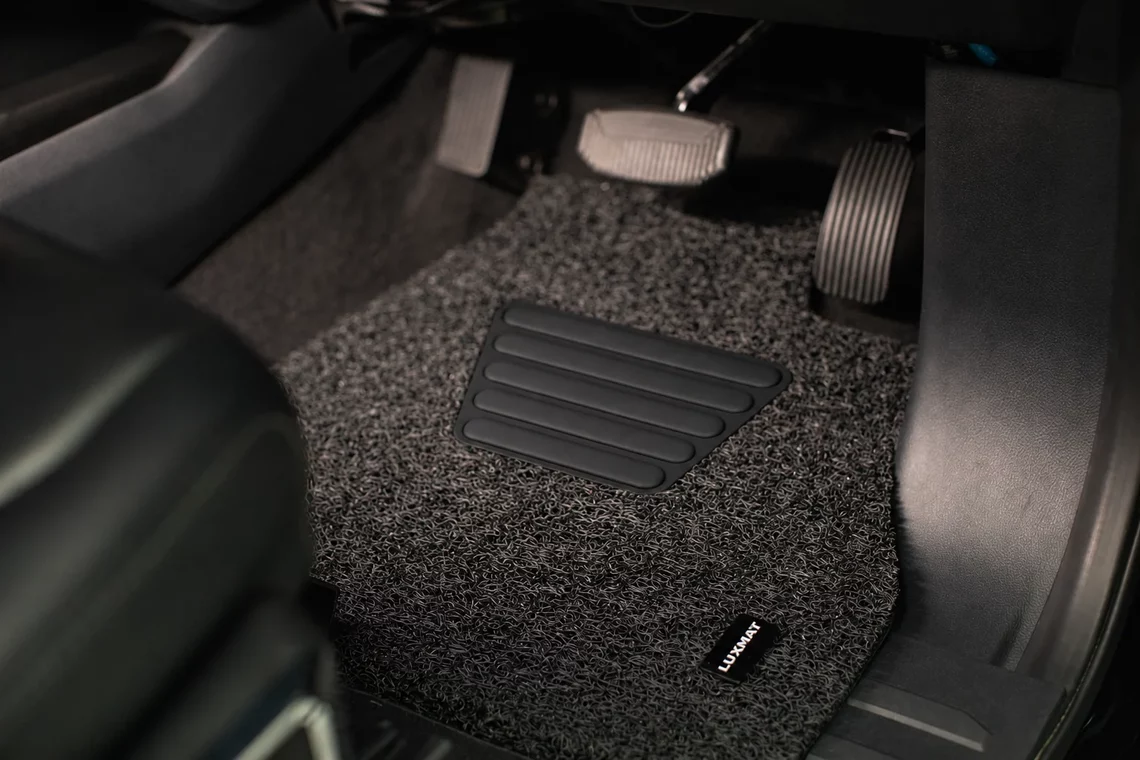
All of the above assumes a genuine coil rubber mat with a sealed backing, and one that actually fits your footwell. A universal mat that stops short of the edges just moves the problem onto the carpet it does not cover.
LUXMAT mats are custom-fit coil rubber, made to order for a specific make, model and year, so they cover the footwell properly and lift straight out when it is time to clean them. They are made in Campbellfield, Victoria, and backed by a 36 month warranty. Every set ships with a heel pad included. Production to dispatch is typically 7 to 12 business days, with $15 flat shipping Australia-wide.
If you are still weighing up options, the buyer’s guide covers what to look for. Otherwise, find your vehicle and see the set made for it.
Frequently asked questions
Can you hose down rubber car mats?
Yes. Coil rubber is designed for it. Water runs straight through the loops and out the sealed backing, carrying the fine grit with it. Just make sure you do both sides and let the mat dry fully before it goes back in the car.
Can you machine wash coil or rubber car mats?
It is not recommended. A washing machine is rough on the backing and on the machine, and it does not clean the mat any better than a hose does. Warm water, mild detergent and a soft brush will handle anything a wash cycle would.
How do you get the smell out of car mats?
Rinse the mat thoroughly, use a little mild detergent if the smell is strong, then dry it completely before refitting. Trapped moisture is what causes odour. Coil rubber does not absorb water, so once it is dry the smell clears rather than lingering the way it does in carpet.
How often should you clean your car mats?
A quick shake once a week, a hose-down once a month, and a deeper clean each season or straight after any big mess. Coil rubber needs less than carpet because most of the dirt sits below the surface and rinses out.
Will cleaning damage a coil rubber mat?
No, as long as you skip harsh solvents and extreme heat. The material is UV-stabilised and built for Australian conditions, so regular hosing and mild detergent will not hurt it.
Related reading
Find your vehicle and shop LUXMAT
Can't find your car? Enquire here Not sure which one? Ask us